← Back to Insights
70-80%
potential cost savings
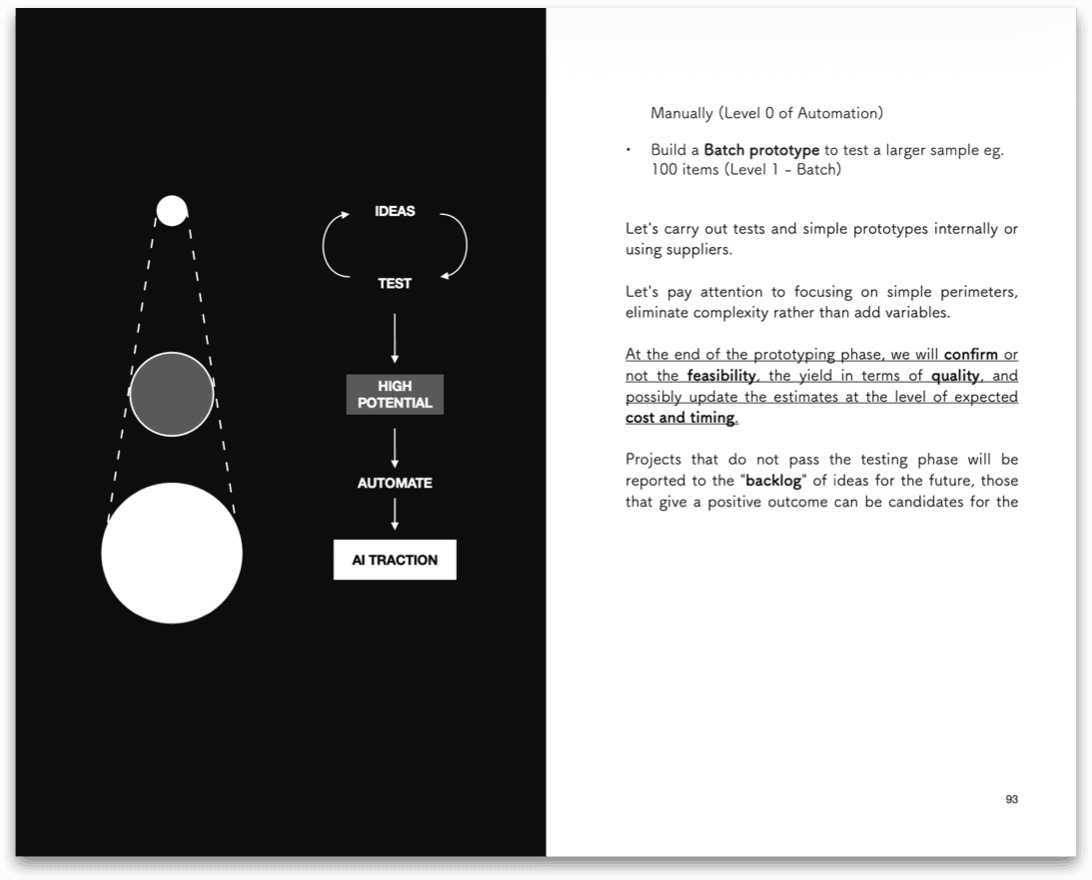
The AI Traction Method is a systematic approach to identifying, prioritizing, and implementing AI projects in your business. It combines ROI calculation with practical implementation levels to help decision-makers focus on high-impact opportunities.
01
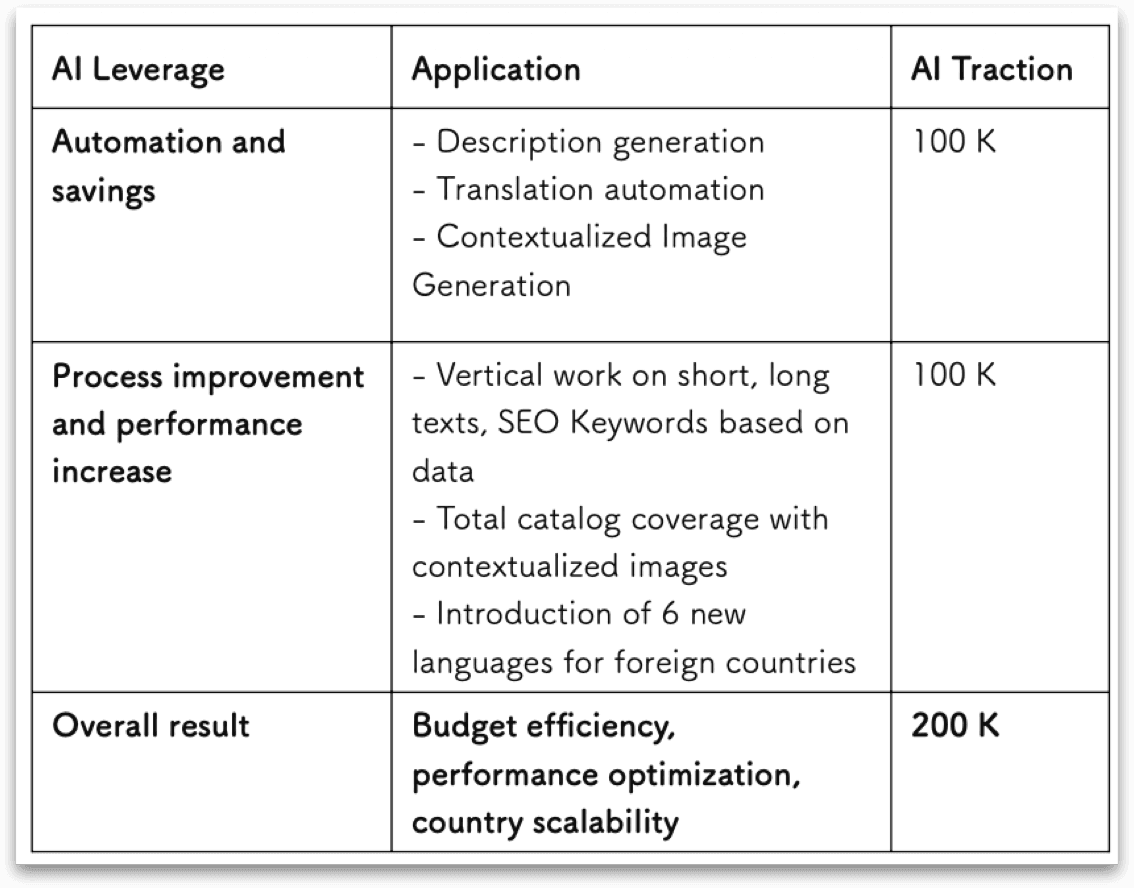
AI Traction measures the combined impact of AI on your business through two key multipliers: Automation (cost savings through efficiency) and Augmentation (revenue growth through enhanced capabilities). The formula is simple: AI Traction = Savings + Growth.
02
Not every AI project needs full integration. The framework defines three levels: Manual (prompt-based), Batch (scheduled automation), and Integrated (real-time systems). Start where you are, scale as needed.
Methodology
Explore the key components of the AI Traction method from the book
Chapter 4
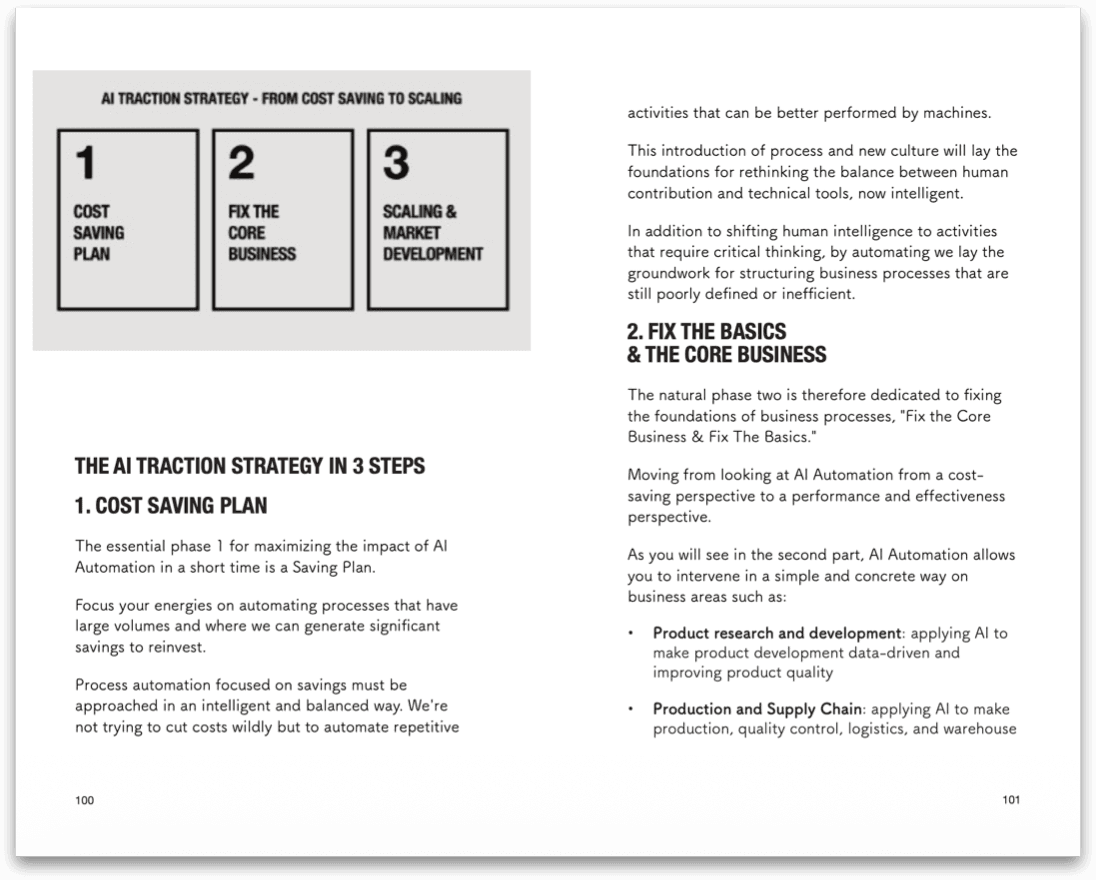
The 3-Phase Framework
Identify > Prioritize > Implement
Chapter 5
AI as Business Leverage
Automation + Augmentation = Traction
Chapter 6
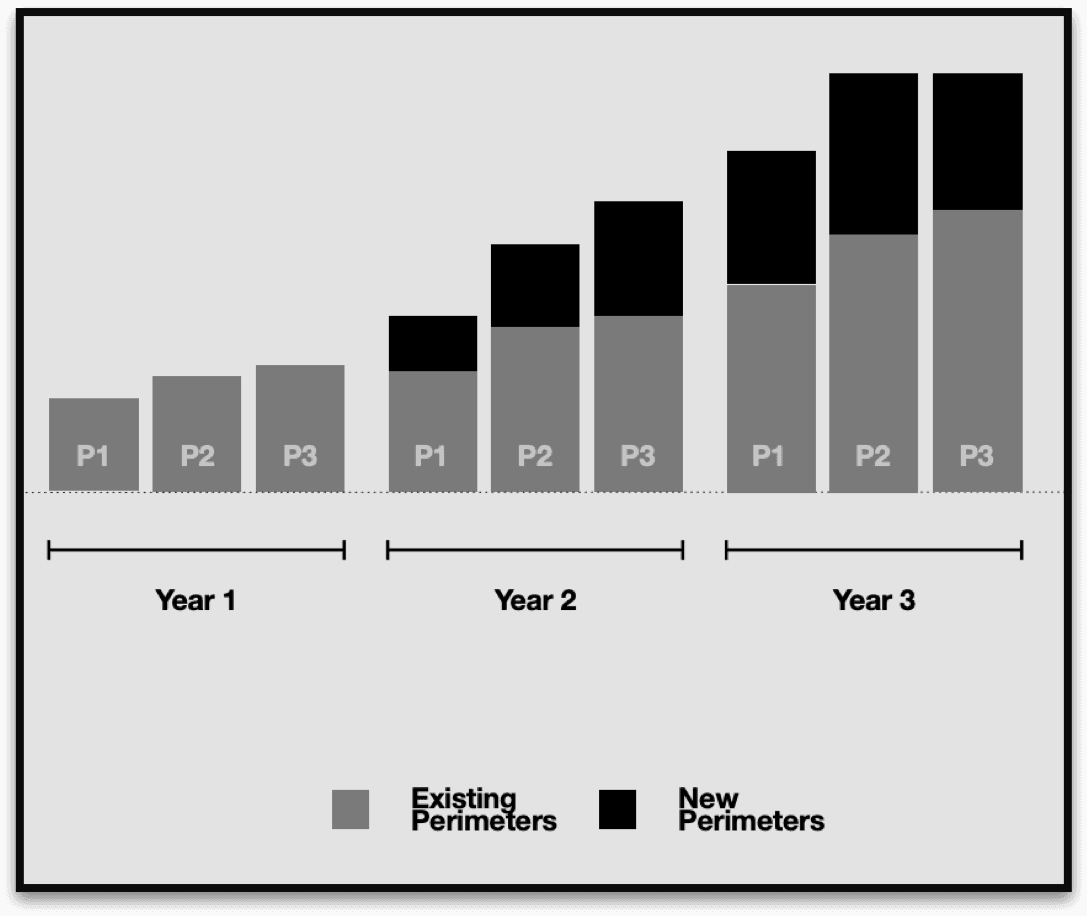
Implementation Roadmap
From quick wins to full integration
FAQ
Use the AI Traction scoring system: evaluate each project on Automation potential (cost savings) and Augmentation potential (revenue impact). Projects with high scores on both dimensions should be prioritized. Start with high-impact, low-complexity opportunities.
AI ROI combines two factors: Automation savings (reduced labor, faster processes, fewer errors) and Augmentation gains (new revenue, better decisions, enhanced products). The AI Traction Calculator helps you estimate both by analyzing current costs, time spent, and potential improvements.
AI Traction is a framework for measuring and maximizing AI's business impact. It quantifies how AI automation saves costs while AI augmentation drives growth. The combined score helps prioritize projects and demonstrate value to stakeholders.
Assess processes on three criteria: repetitiveness (how often the task repeats), data availability (is the information digital and accessible), and rule-based nature (can decisions be codified). Higher scores indicate better automation candidates.
Begin with 'quick wins' - projects that have clear ROI, use existing data, require minimal integration, and have measurable outcomes. Common starting points include document processing, customer service automation, and content generation.
Preview
Key illustrations and concepts from the AI Traction book

Down the Rabbit Hole
The AI opportunity awaits
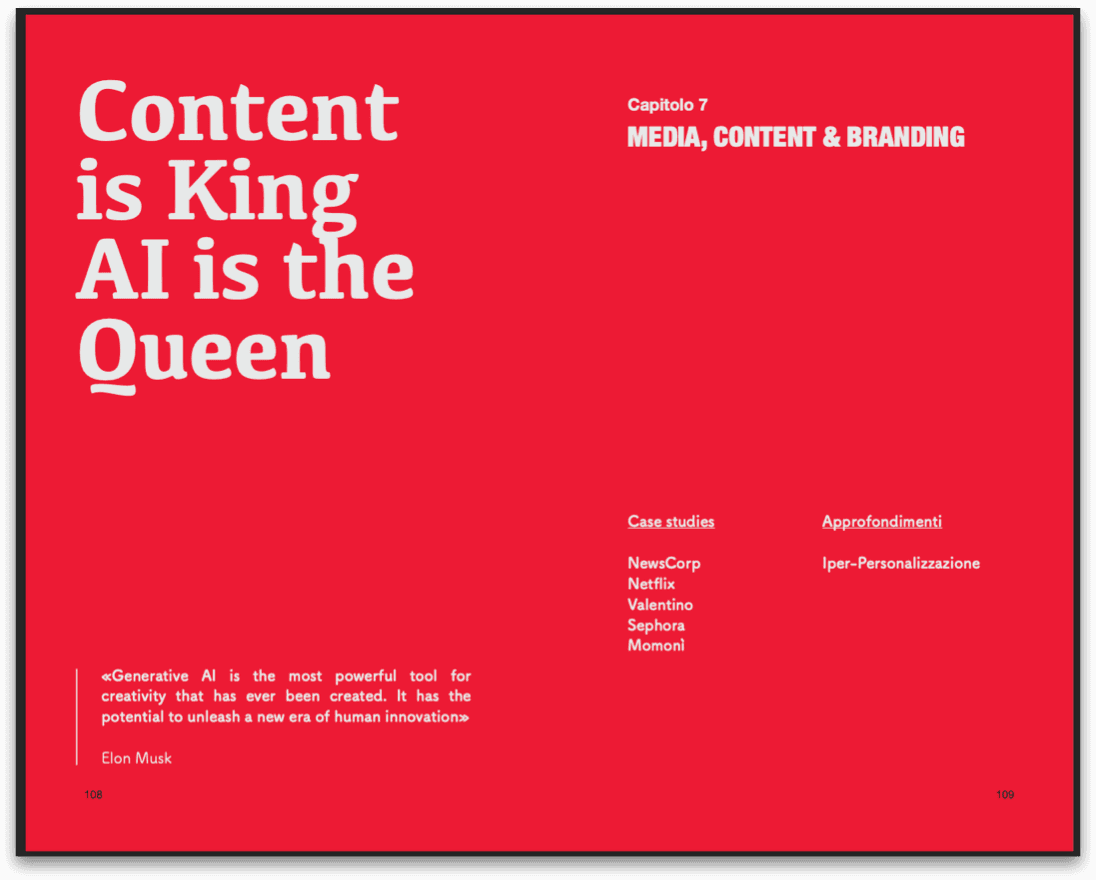
AI in Marketing & Sales
Practical applications
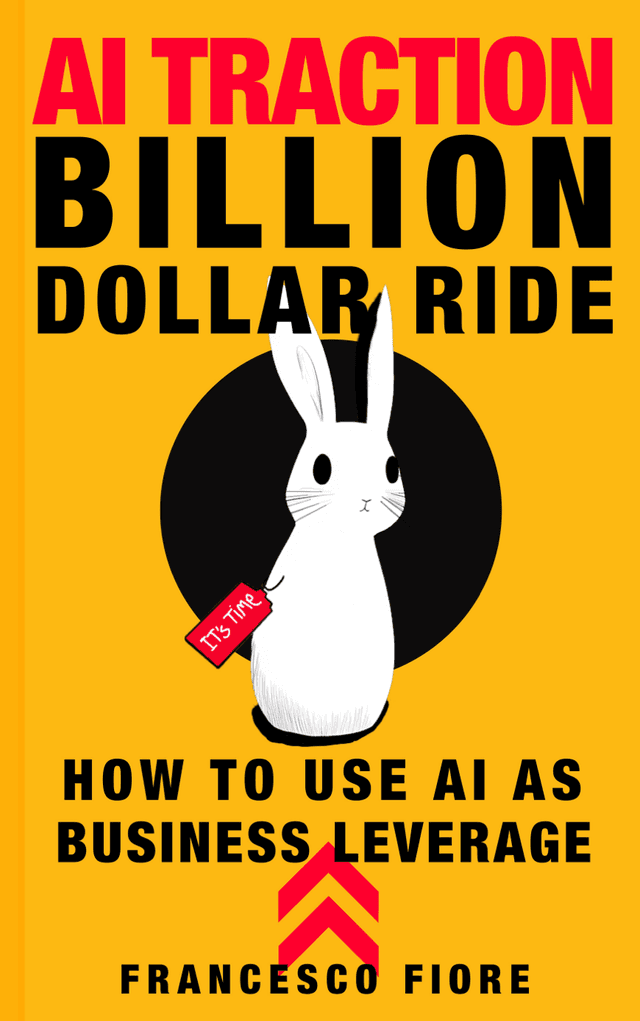
Complete Book
Discover the complete AI Traction framework with 50+ case studies in the book
